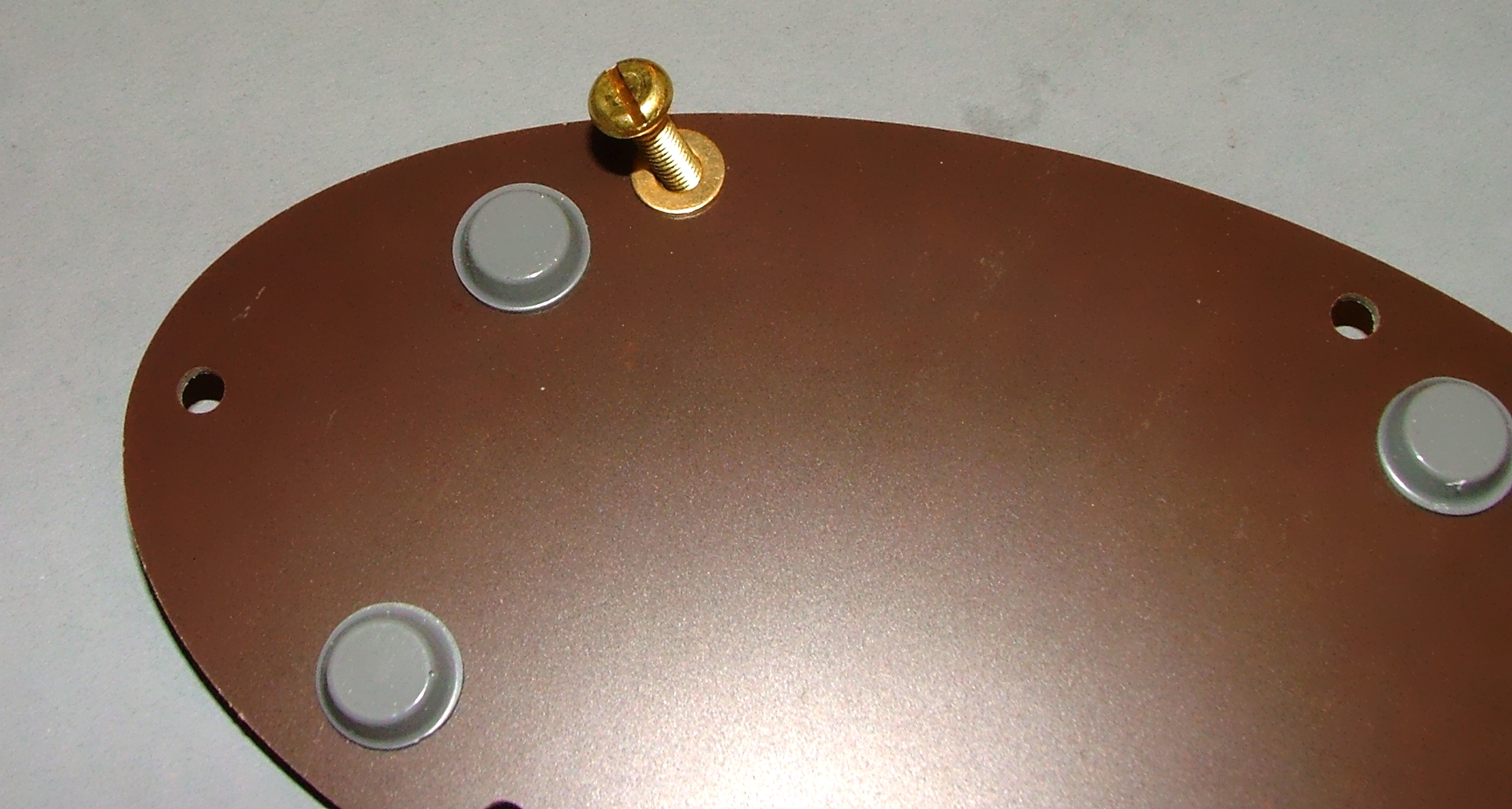
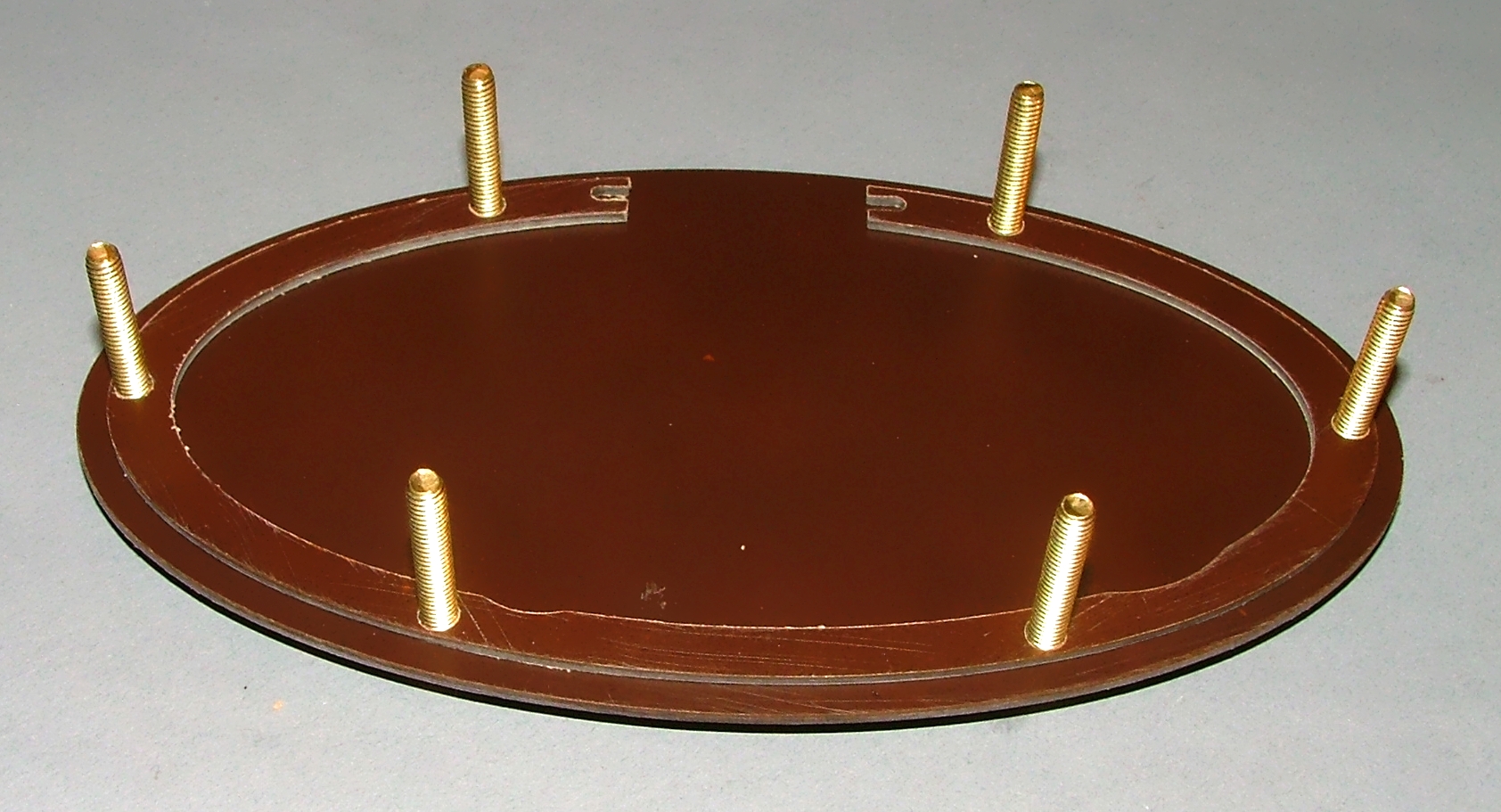
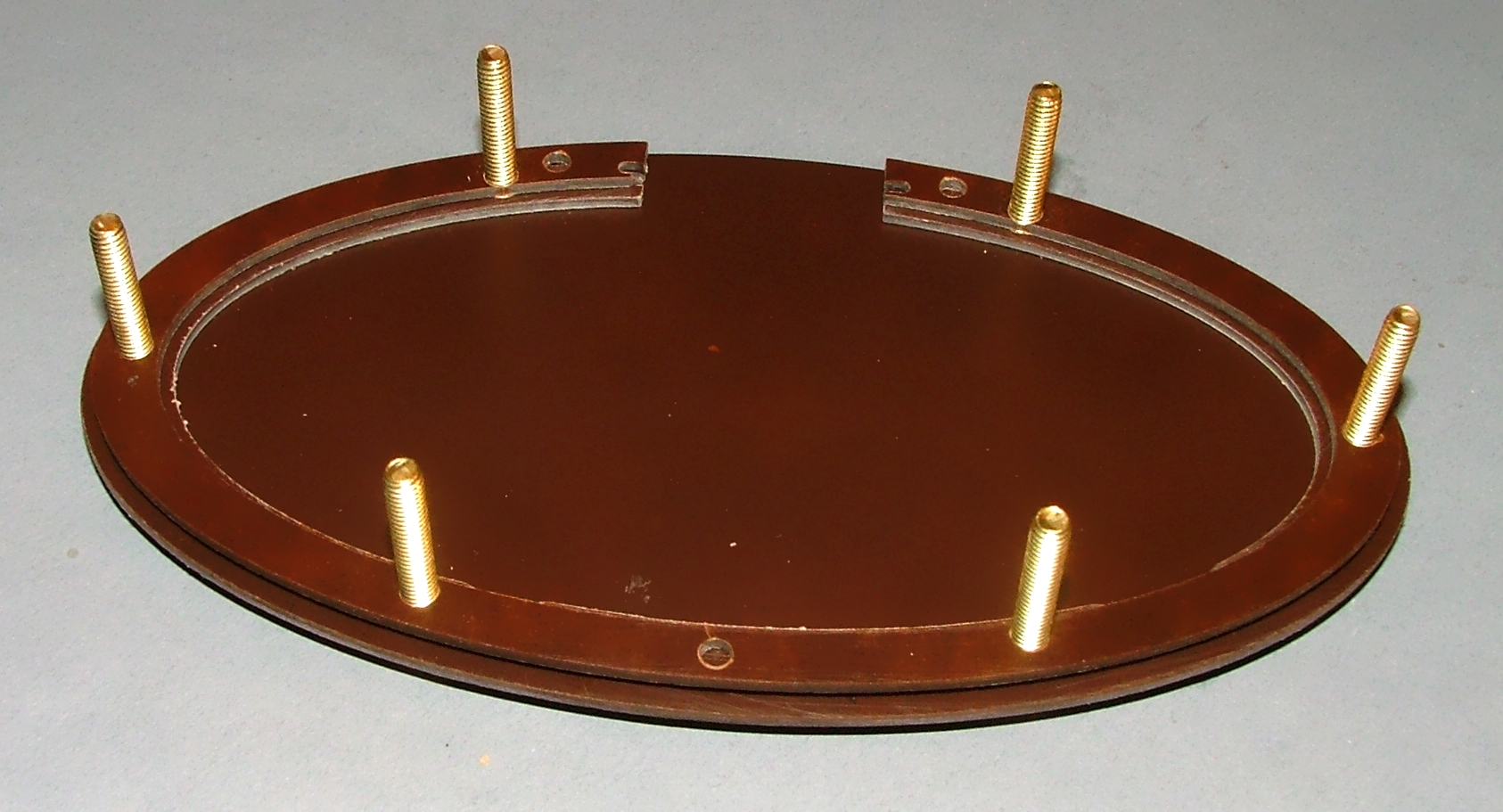
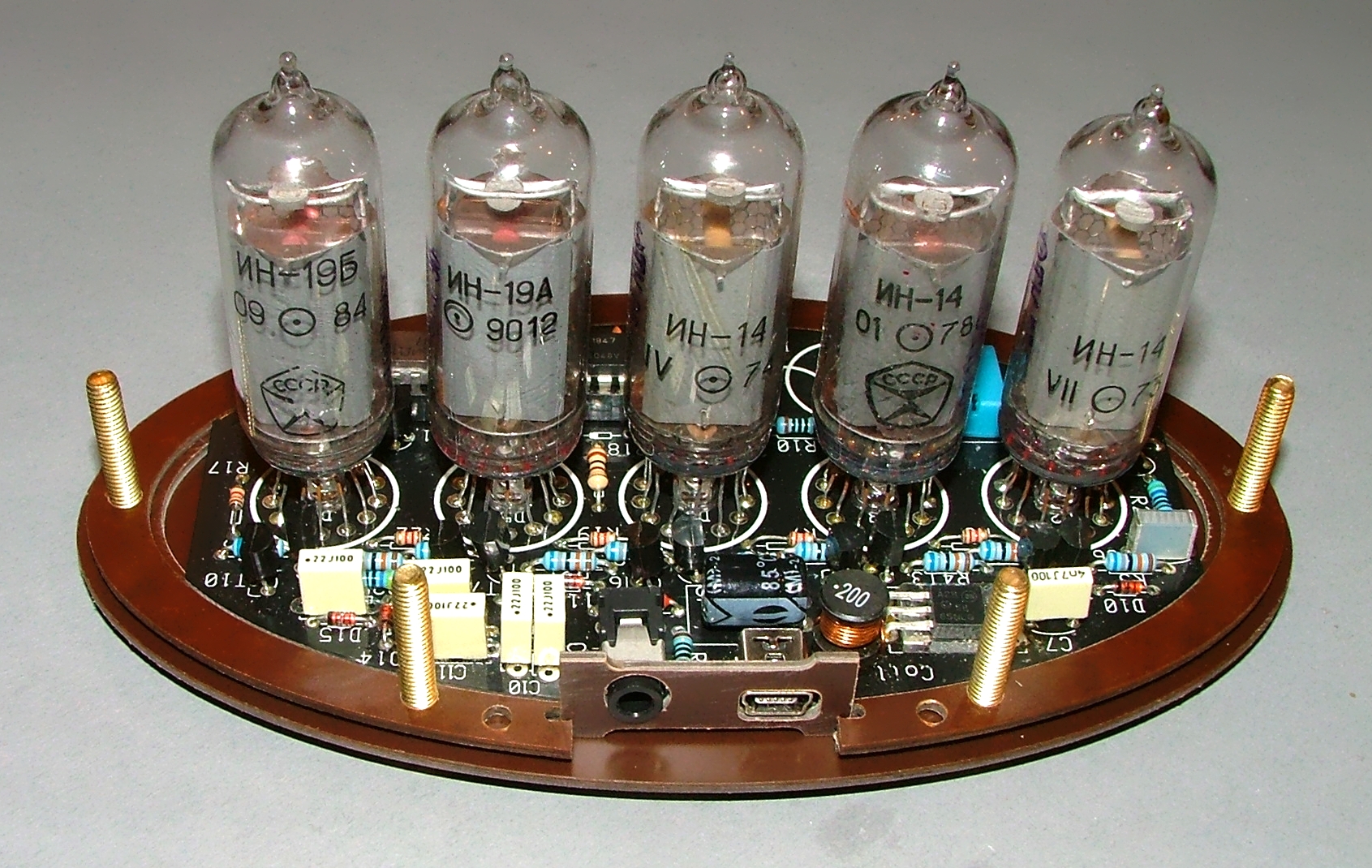
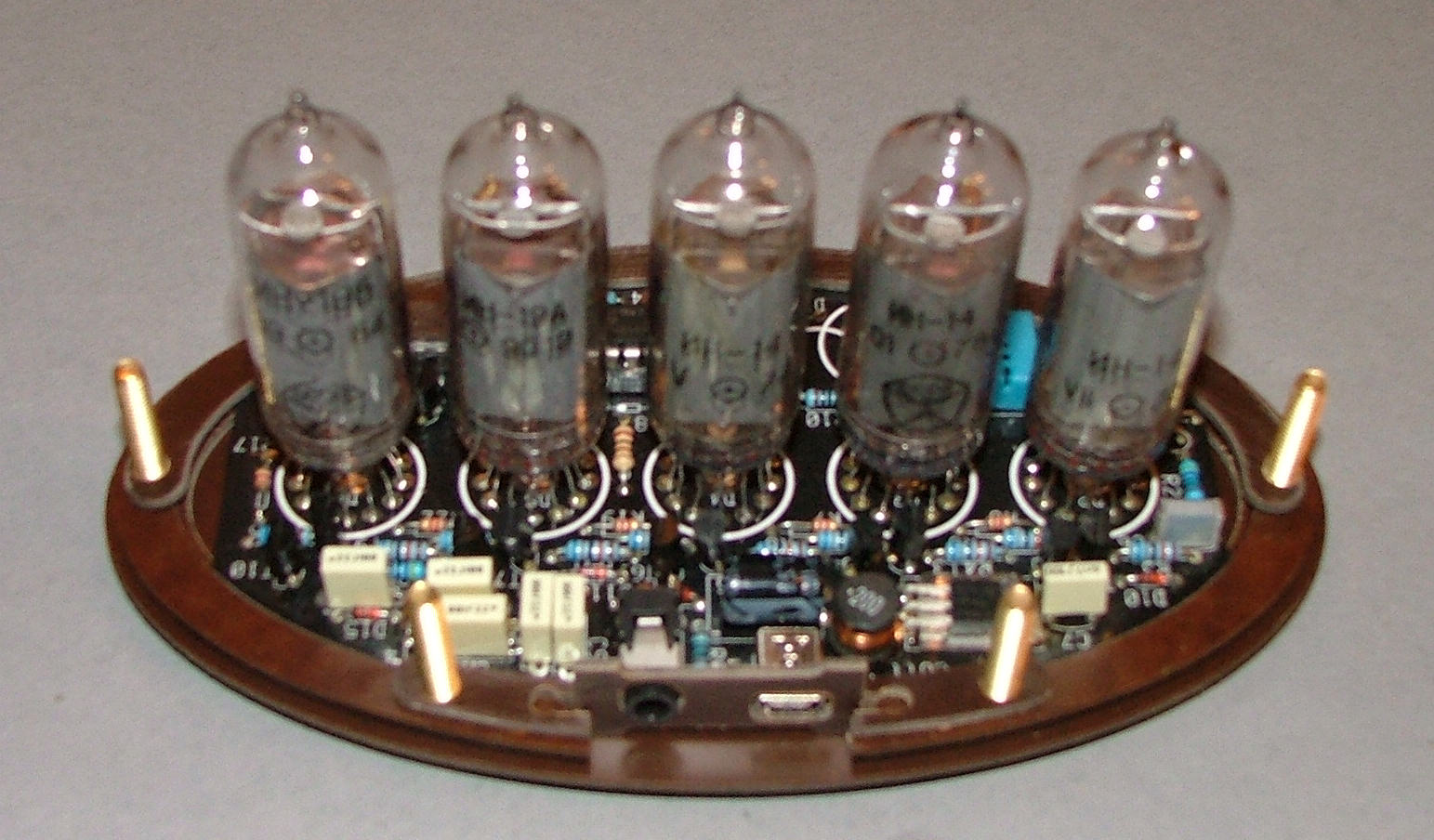
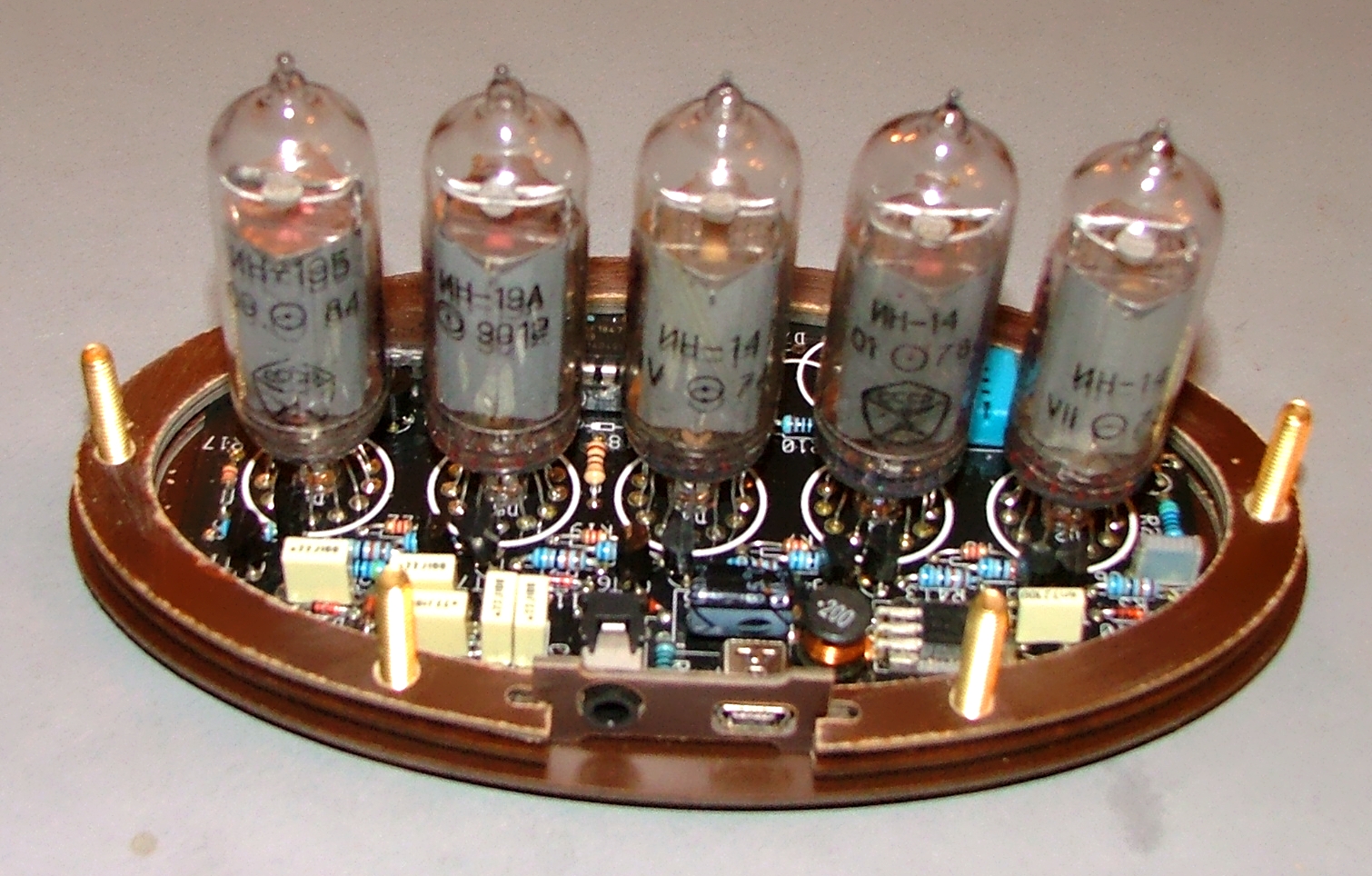
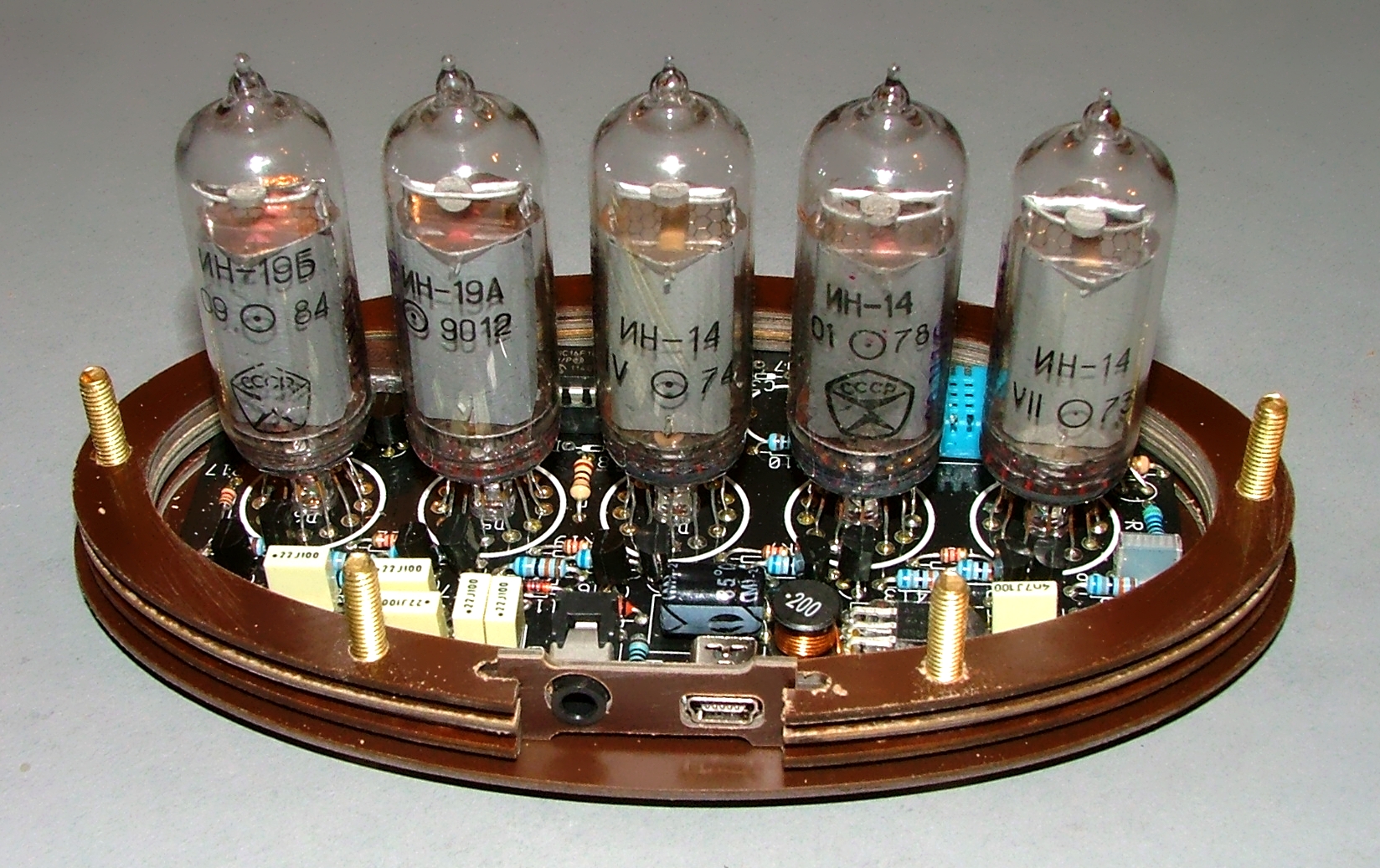
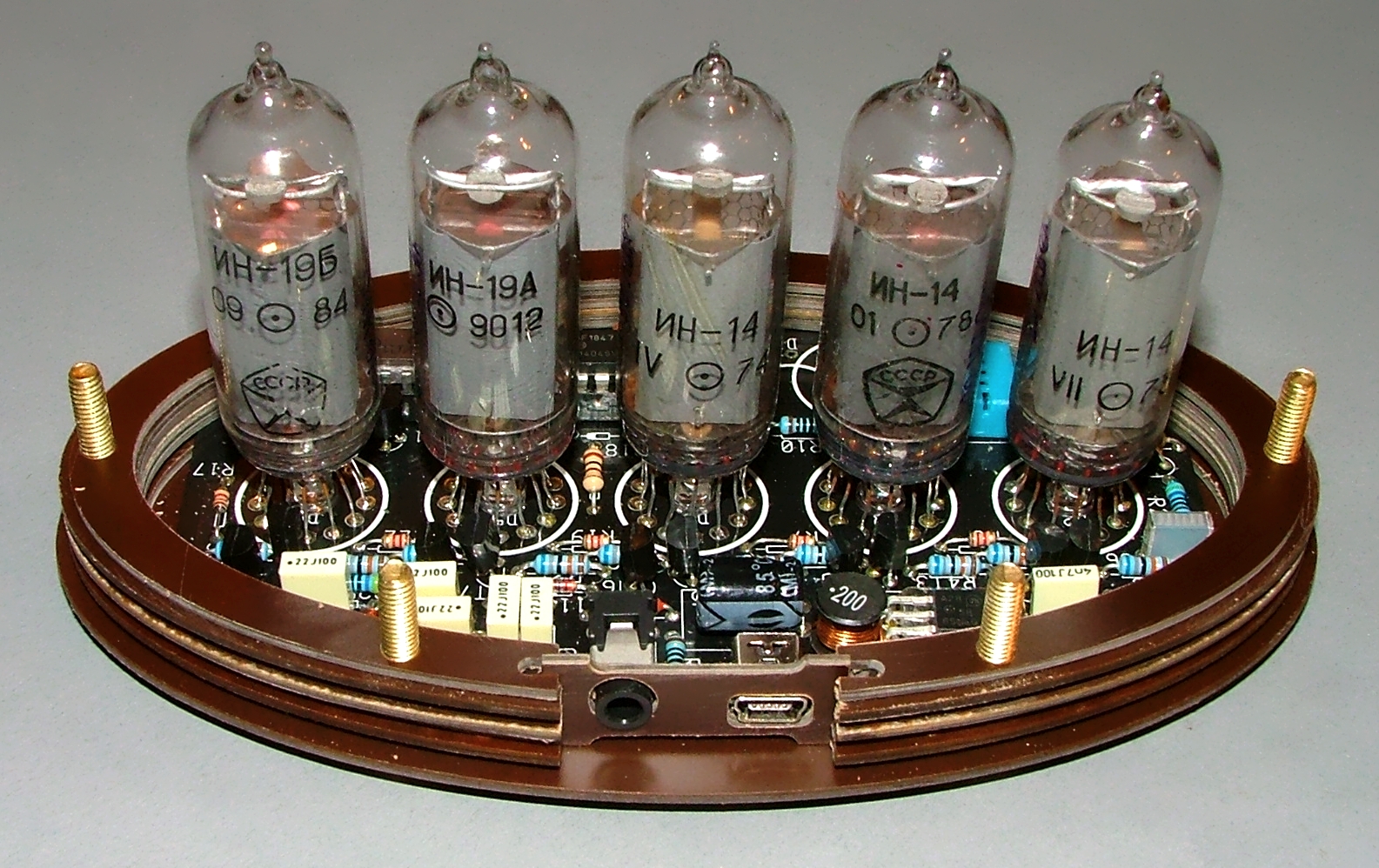
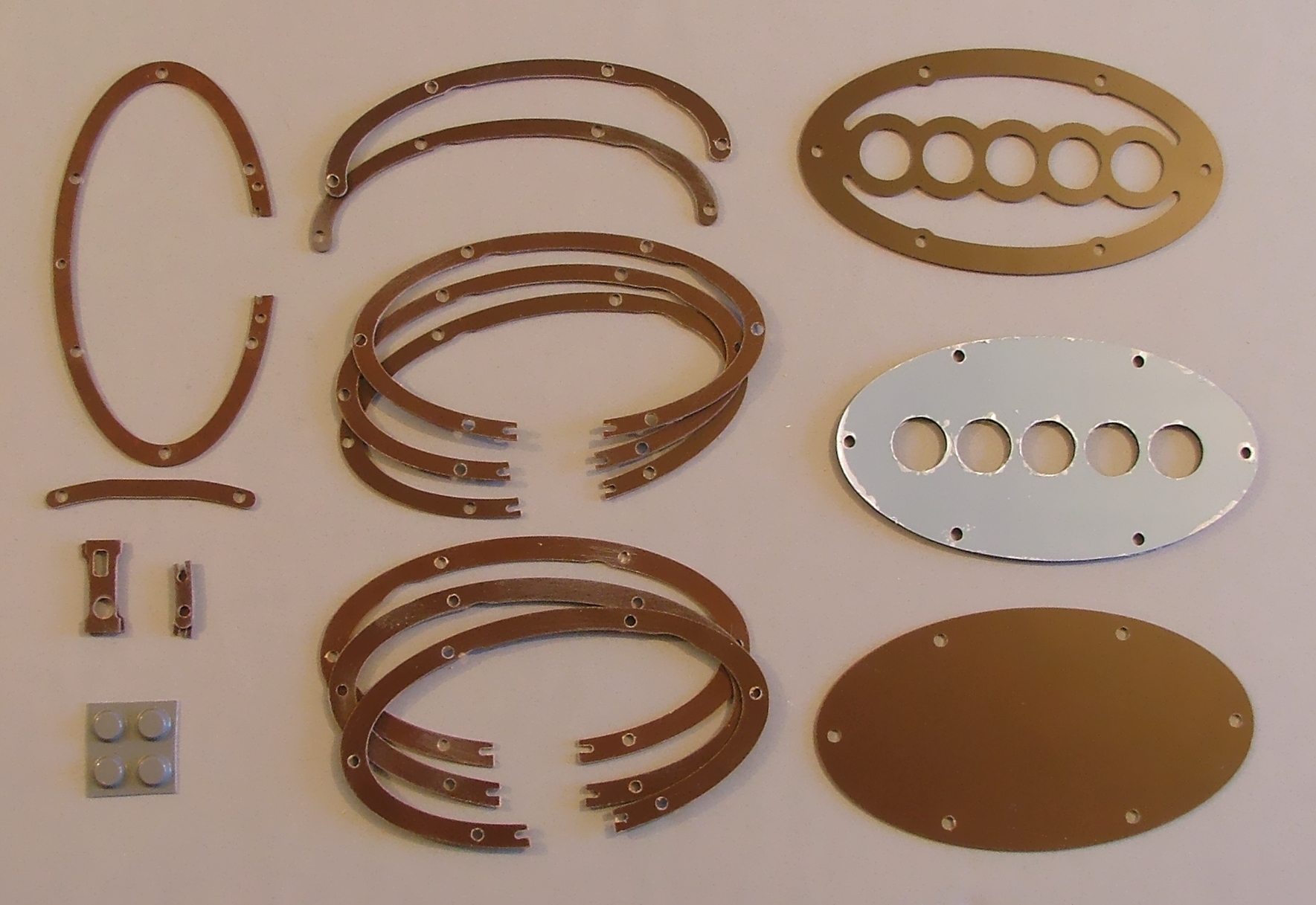
Unpack the case piece bag and seperate the laminate parts for sanding. The pieces shown here were just roughly sanded but spending some time here wet sanding with fine emery paper will give a *much* smoother rounded finish.
If you've bought the Brass-top or even Copper-top version you'll need metal polish and fine sandpaper as the metal parts are supplied as-cut and will need work to finish off.
You may also have received 'part rings' in place of the 3 thin rings, these are to provide a little extra ventilation.
Carefully sand the case top and bottom making sure not to scratch them, the side rings will be hidden so scratches aren't so much of a problem but the are fragile so don't put too much pressure on them.
Case assembly
Starting with the case bottom, choose the best side to face out and stick the 4 rubber feet on as shown:
Feed one brass M4 bolt with washer through each hole - use some masking tape to keep them in place if needed.
Now turn it over so the bolts face up:
Fit one of the 'thin' rings onto the bolts - these are the rings withe very little space between the bolt hole and the outer edge:
Fit the silicone rubber heatsink pad as shown, just to the right of the left front bolt. Remove the protective plastic film on BOTH sides of the rubber pad first:
Now fit the PCB spacer ring - this has 2 small holes next to the back panel notches:
The PCB should now drop inside the second ring and rest on the edge of the first. Now don't forget to fit the back panel:
Now fit one of the half rings onto the front 4 bolts and one of the ring ends onto each of the bolts next to the back panel (sorry about the photo):
Fit one of the 'thick' rings over these:
Now alternate the thin - thick - thin - thick rings:
The rings should now be level with the top of the back panel. Fit the other half ring over the front 4 bolts and the quarter ring over the 2 rear bolts and back panel:
Remove the protective plastic from the black case lid and choose the best side to face up:
Fit the case top over the plastic lid and bolt it all together with one washer and dome nut per bolt:
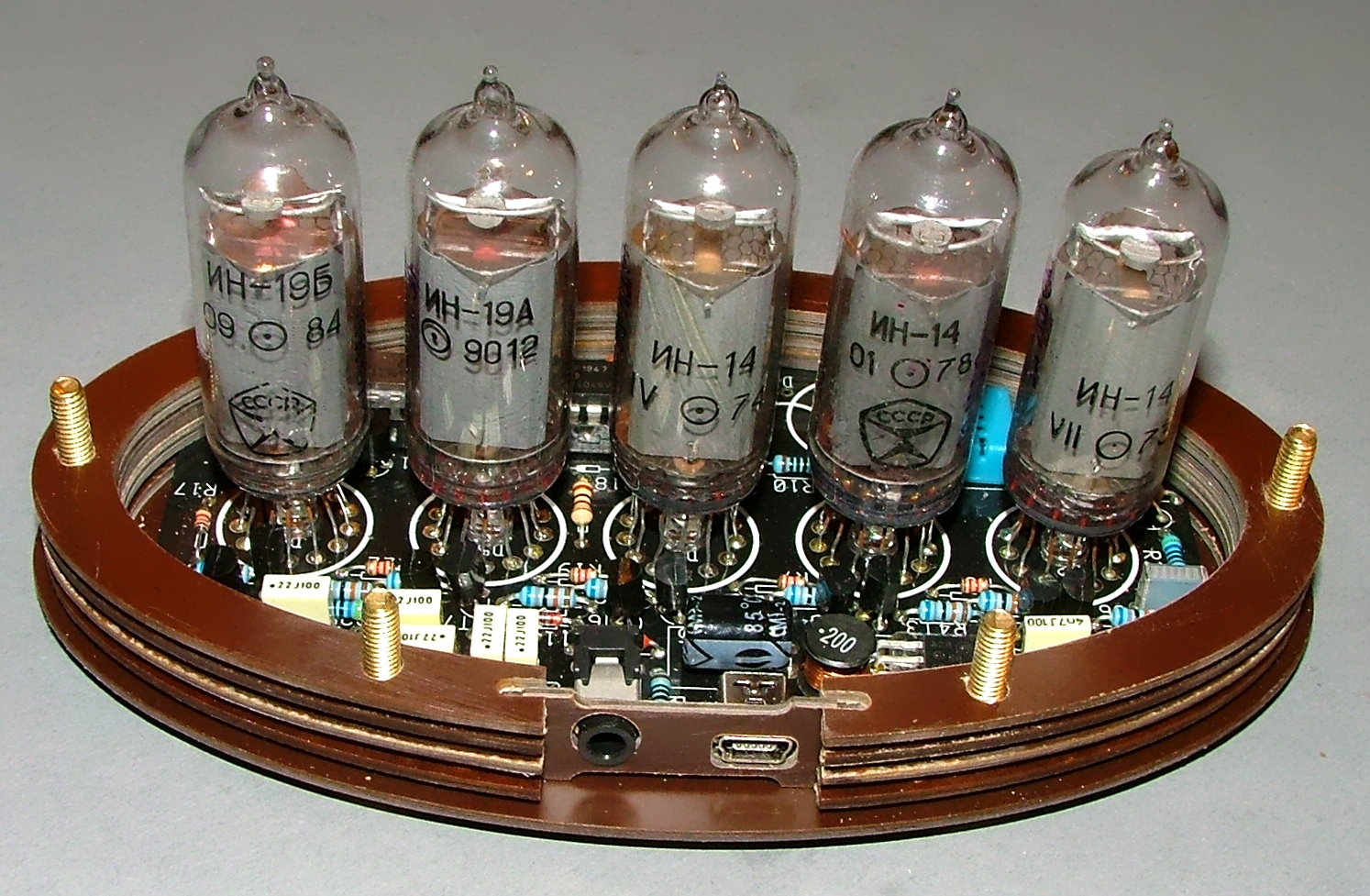
Camera flash is great for showing up all the dust.... and I'll mention again these pieces were just quickly sanded, some time and patience will produce much better results.
If you find it won't stop changing modes when the lid is fitted use a short piece of scrap cable insulation or heatshrink to form a 'tube' between the IR LED and the plastic lid to prevent internal reflection.